

Does Flex Seal Work On Gutter Seams?
May 24, 2023
What Way Should Splash Blocks Face?
May 26, 2024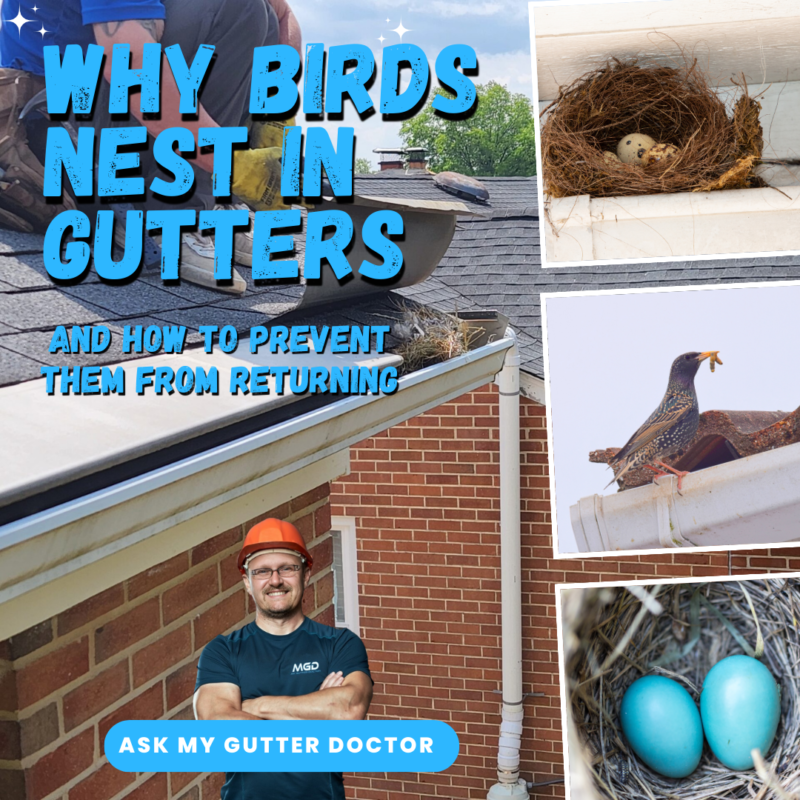
Why Birds Nest in Gutters & How to Prevent Them from Returning
As winter fades and the days grow longer, birds return each spring to build nests and raise their young. And almost like clockwork through the springtime, many homeowners begin noticing the same issue, birds nesting in their gutters.
Gutters, rooflines, and eaves provide the kind of elevated, sheltered spaces birds naturally look for. The more enclosed and hidden an area is, the safer it feels from predators. That’s why gutters, especially those with covers, gaps, or debris buildup, are one of the most common nesting spots around a home.
If there are openings in your gutter system, roofline, fascia, or soffit, birds will almost always find their way in. And once they do, they tend to return year after year, often creating blockages, water damage, and other costly problems for homeowners.
In this guide, we’ll explain why birds nest in gutters, the problems it can cause, how to safely remove nests, and the most effective ways to prevent birds from coming back to your gutters.
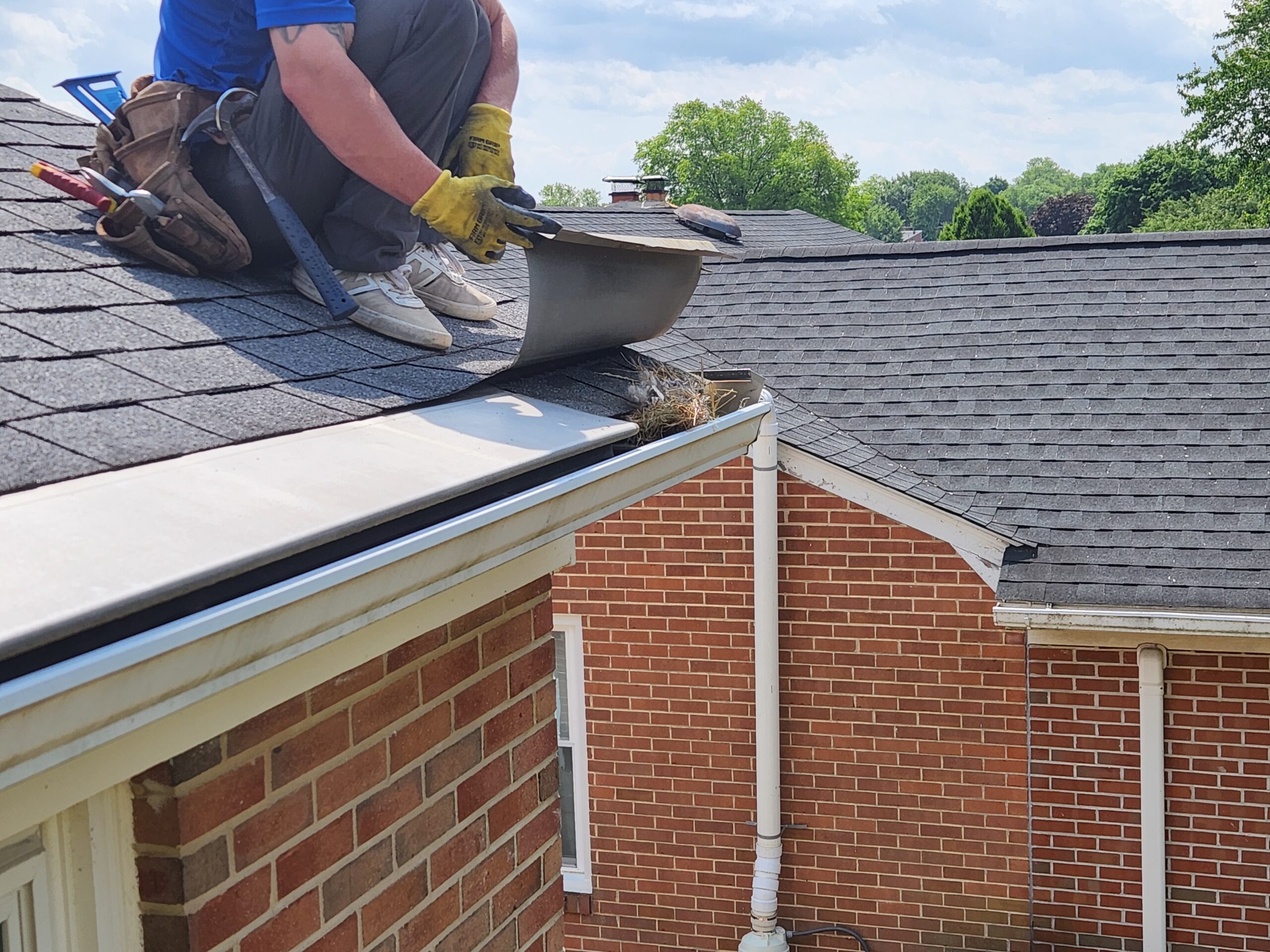
Why do birds nest in gutters?
Birds nest in gutters because they provide shelter, protection from predators, and easy access to nesting materials. Covered or clogged gutters are especially attractive because they offer concealment from above while supplying debris like twigs and leaves for building nests.
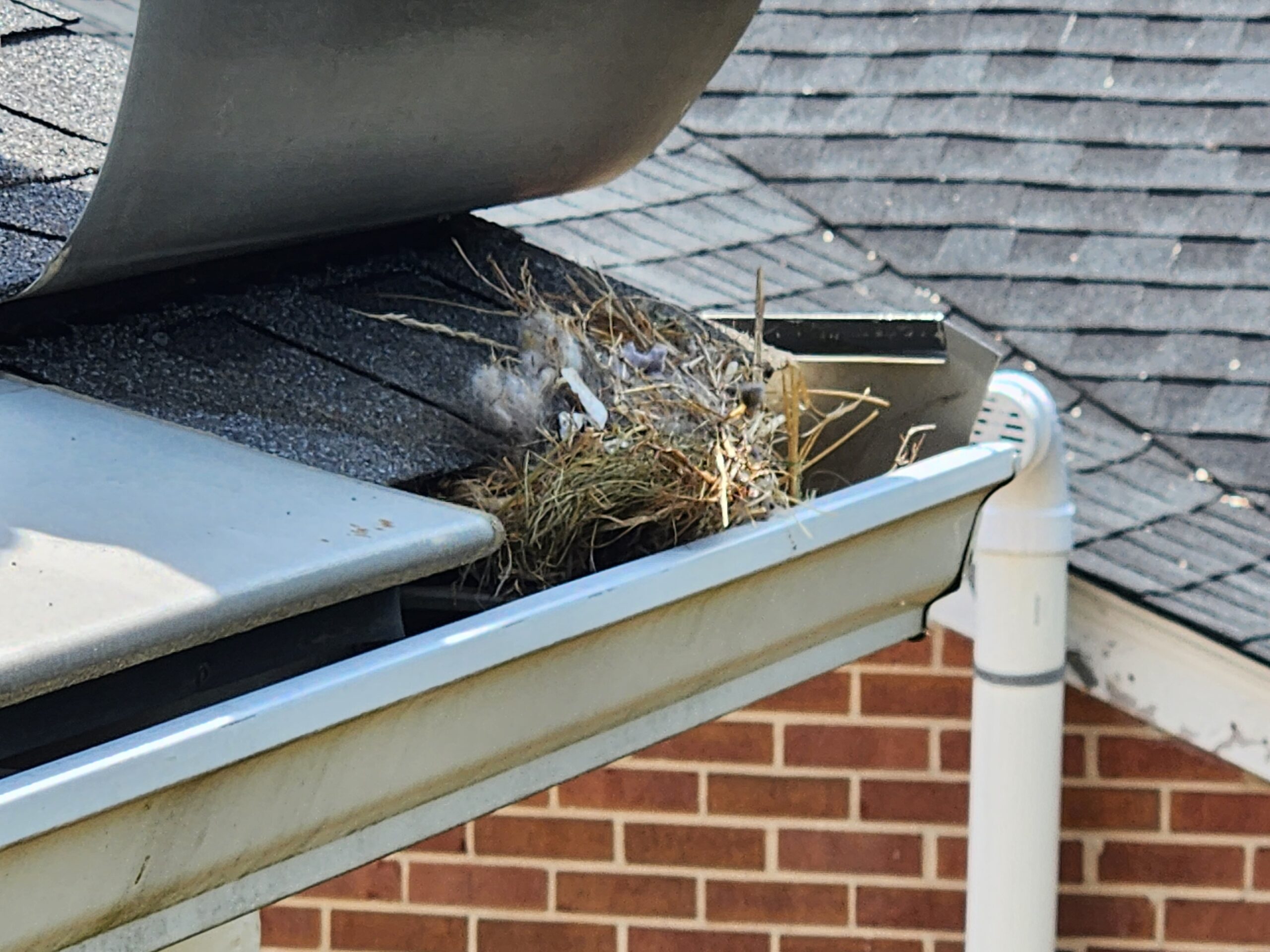
Why Birds Nest in Gutters
Birds are naturally drawn to gutters because they provide a combination of shelter, safety, and easy access to nesting materials. Compared to other areas around a home, gutters offer an elevated and often concealed space that protects birds and their nests from predators and the elements.
The more enclosed the gutter system is, whether from gutter covers, roof overhangs, or piles of leaves, the more attractive it becomes as a nesting location.
• Shelter & Safety
Gutters provide a protected, elevated space that keeps birds, eggs, and chicks hidden from predators like hawks and other birds of prey. When gutters are partially enclosed by covers or rooflines, they become even safer by blocking visibility from above.
• Enclosed or Covered Spaces
Birds are especially attracted to gutters with covers or guards that create a hidden cavity. Faulty or poorly installed gutter covers often leave small gaps, allowing birds to slip inside while remaining protected from predators and harsh weather.
• Debris Build-Up (Nesting Materials)
Leaves, twigs, and organic debris that collect in gutters create the perfect foundation for building a nest. Instead of gathering materials from scratch, birds can quickly assemble nests using what’s already available.
• Access to Water & Food
Clogged gutters often hold standing water, which attracts insects and provides a convenient drinking source. This combination of food, water, and shelter makes neglected gutters an ideal nesting environment.
What Attracts Birds to Your Gutters
While birds naturally look for safe places to build nests, certain conditions around your home can make your gutters especially attractive. If you’re dealing with birds nesting year after year, there’s usually a specific issue in your gutter system that’s making it an ideal spot.
Here are the most common problems that attract birds to gutters:
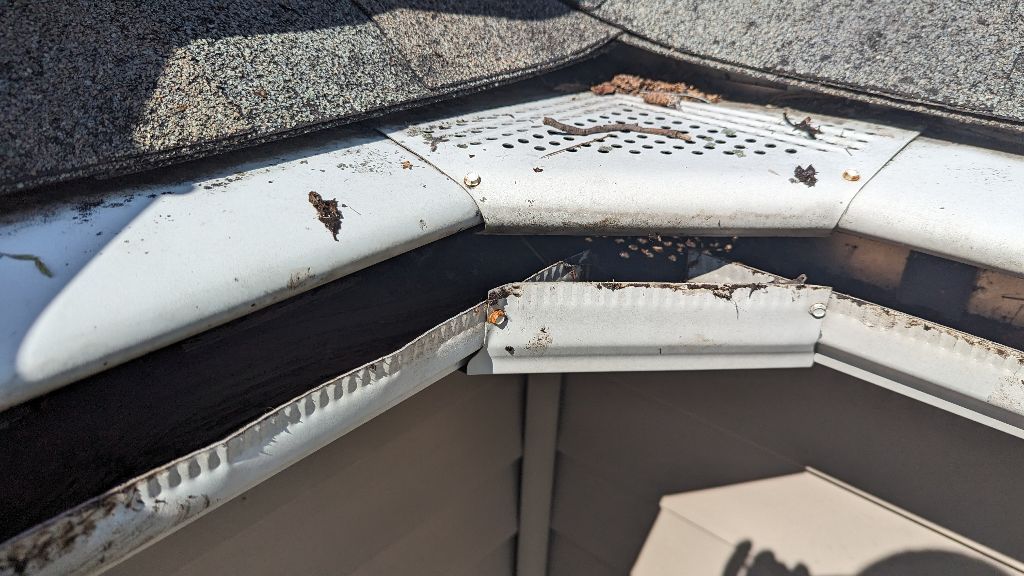
• Gaps in Gutter Covers or Faulty Installation
One of the most common causes of birds nesting in gutters is poorly installed or damaged gutter covers. Small gaps—especially at the ends of gutters or under lifted screens—allow birds to slip inside while staying hidden from predators.
Once inside, the cover acts like a protective shield, making it one of the safest nesting locations on the home.
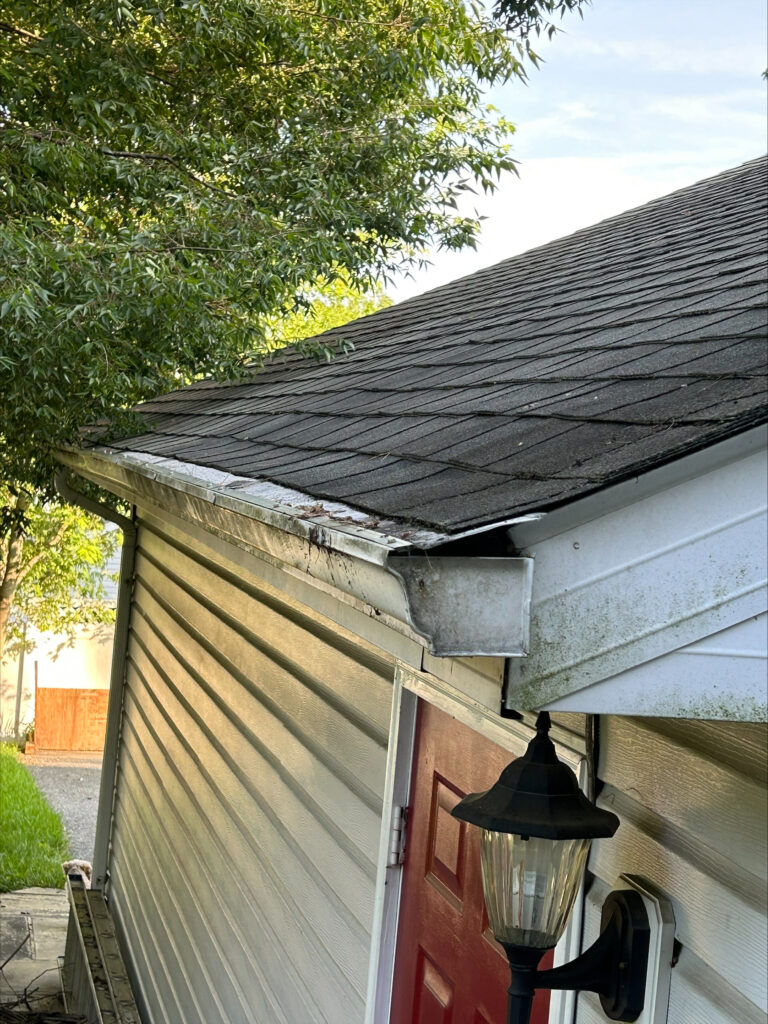
• Gutter Guards That Leave Openings
Some gutter guard systems are designed with a front opening to allow water in. While effective for drainage, these openings can also allow smaller birds to enter and build nests inside the gutter.
This is especially common with “helmet-style” or curved covers that leave a continuous gap along the front edge.
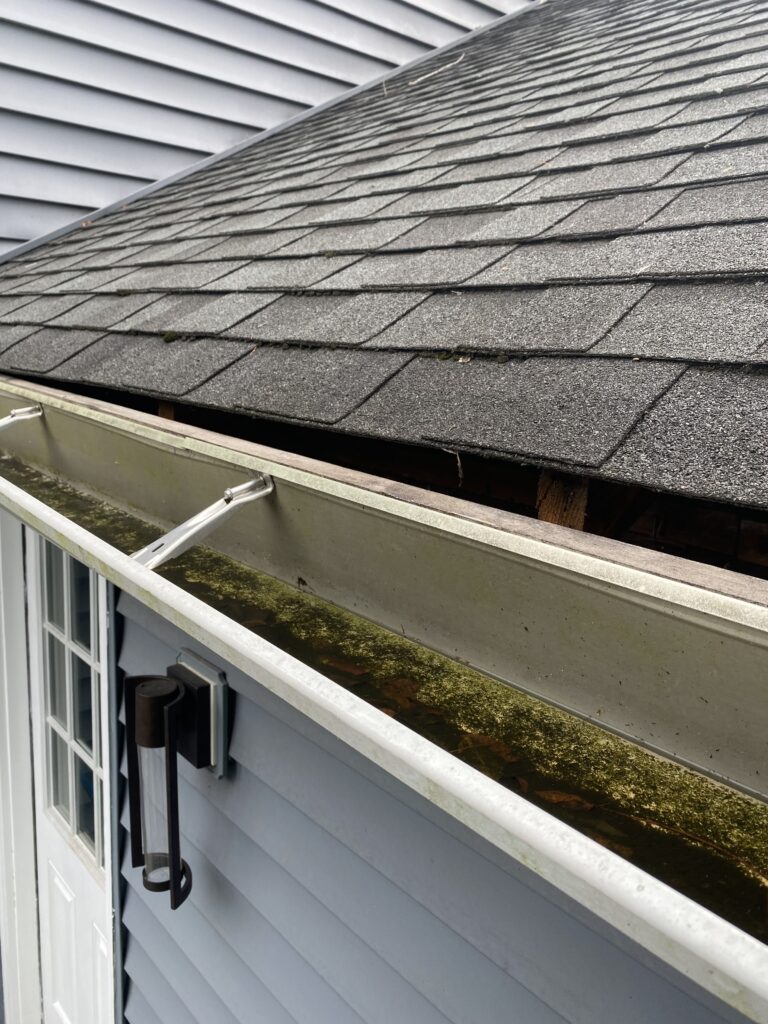
• Roof Overhang or Shingle Coverage
When shingles or rooflines extend over the gutter, they create a natural canopy that blocks visibility from above. Even without gutter covers, this added protection makes it easier for birds to nest undetected.
Homes with heavier overhangs tend to experience this issue more frequently.
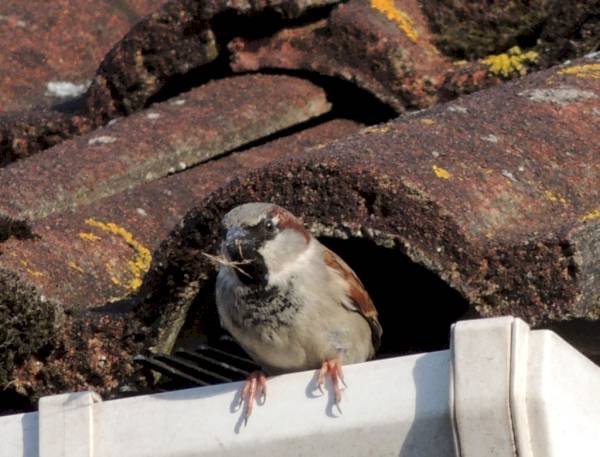
• Gaps in Fascia, Soffit, or Roofline
Openings in fascia boards, soffits, or roof eaves give birds access to areas behind the gutter system. In many cases, these spots are even more protected than the gutter itself.
If you notice birds flying in and out of the same area near your roofline, there’s a strong chance a hidden nesting spot exists.
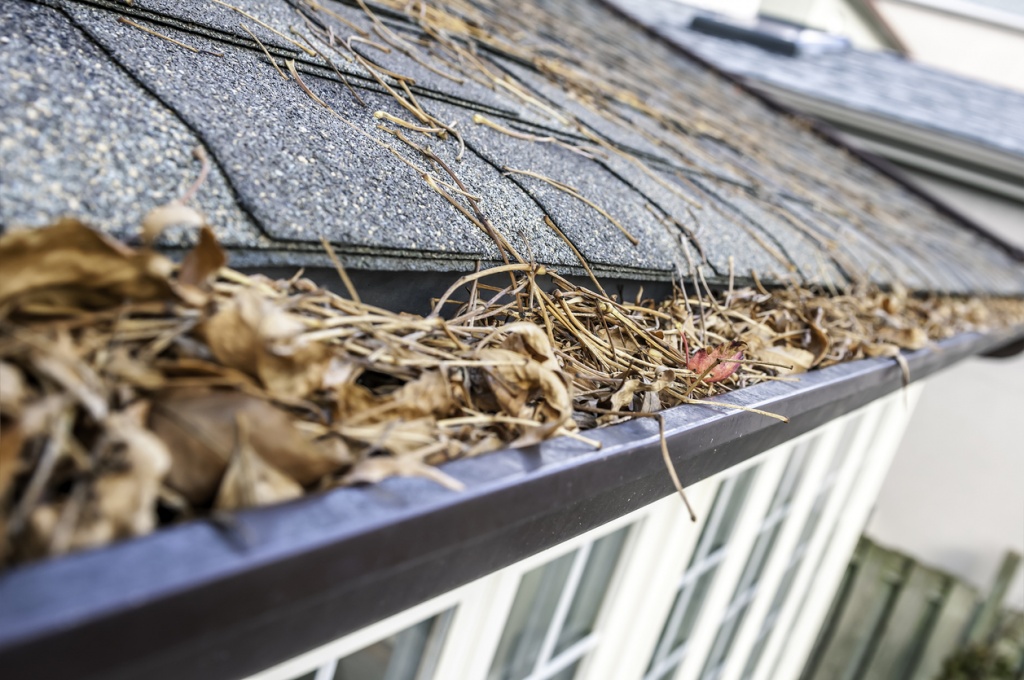
• Excessive Gutter Debris
Clogged or neglected gutters are one of the biggest attractors for birds. Leaves, twigs, and organic buildup provide ready-made nesting materials, allowing birds to build quickly.
In addition, standing water in clogged gutters attracts insects and provides a drinking source—creating an environment that offers food, water, and shelter all in one place.
Problems Caused by Birds Nesting in Gutters
While a bird’s nest might seem harmless at first, it can quickly lead to serious issues for your gutter system and your home. Because gutters are designed to move water away efficiently, even a small blockage can cause larger problems over time.
• Clogged Gutters & Downspouts
Bird nests are one of the most common causes of gutter blockages. As nests break apart or shift during rain, they often wash into the downspout where they become lodged and create a full blockage.
When water can’t properly drain, it begins to overflow—leading to water spilling over the sides of the gutter and pooling around the foundation.
• Water Damage & Structural Strain
When gutters remain clogged, the added weight of standing water puts stress on the entire system. Over time, this can cause gutters to sag, pull away from the home, or lose proper slope.
If left unaddressed, water overflow can also lead to damage to fascia boards, soffits, and even the foundation.
• Increased Risk of Pest Infestations
Bird nests can attract other unwanted pests looking for food. Predators like raccoons and snakes are known to climb onto roofs and investigate gutters if they sense activity.
In addition, birds often carry parasites such as mites, fleas, and ticks, which can remain even after the birds leave.
• Health & Sanitation Concerns
Bird droppings and nesting materials can carry bacteria and pathogens that may pose health risks if not handled properly.
Signs You Have Birds Nesting in Your Gutters
Birds don’t always make their nests obvious. In many cases, nests are hidden under covers, rooflines, or debris. However, there are several clear signs to watch for:
• Birds Flying In and Out of the Same Spot
Repeated activity in one area is one of the strongest indicators of a nest.
• Chirping or Nesting Sounds Near the Roof
Consistent chirping—especially in the morning—often means chicks are present.
• Gutters Overflowing (Even Without Heavy Rain)
Overflow during light rain may indicate a blockage from a nest.
• Debris Sticking Out of the Gutter
Visible twigs or grass often signal a larger hidden nest.
• Increased Bird Activity Around Your Roofline
More birds than usual around your gutters may indicate nesting behavior.
• Stains or Droppings on Siding or Gutters
Frequent droppings suggest ongoing activity in that area.
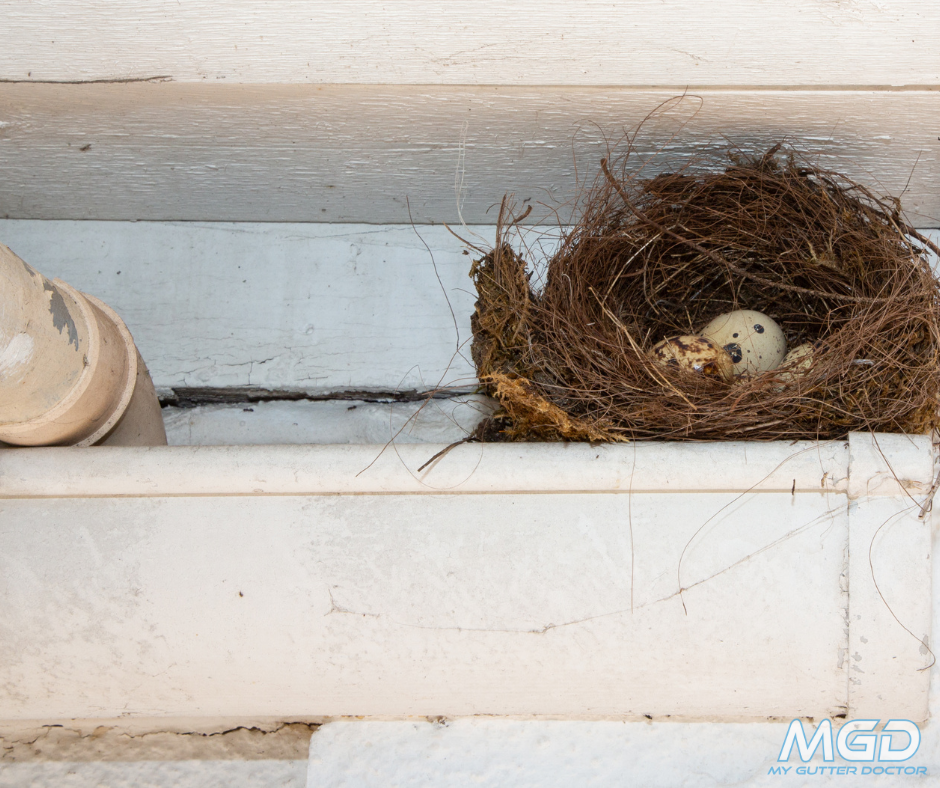
When & How to Remove Birds Nests from Gutters
Before removing a bird’s nest, it’s important to understand that timing matters. In many cases, removing an active nest—especially one with eggs or chicks—is not only unsafe, but may also be restricted by local or federal laws.
• Check for Eggs or Active Nests First
If a nest contains eggs or baby birds, it should not be removed right away. Many bird species are protected, and disturbing an active nest can be illegal in some areas.
For this reason, most professional gutter cleaning services—including ours—do not remove nests that contain live eggs or chicks. Instead, the nest must be left undisturbed until the birds have hatched and naturally vacated.
• Plan for a Return Visit if Needed
If an active nest is found during a gutter cleaning, the job may need to be postponed or completed in stages. Once the nest has been vacated, it can be safely removed during a follow-up visit.
• Best Time to Remove a Nest
Once the nest has been vacated—usually by late spring or early summer—it is safe to remove and ensures your gutters are clear before peak rain season.
• Use Proper Safety Precautions
Wear gloves, eye protection, and avoid direct contact with nesting materials.
• Clean and Sanitize the Area
Dispose of the nest and clean the area thoroughly to reduce bacteria and pests.
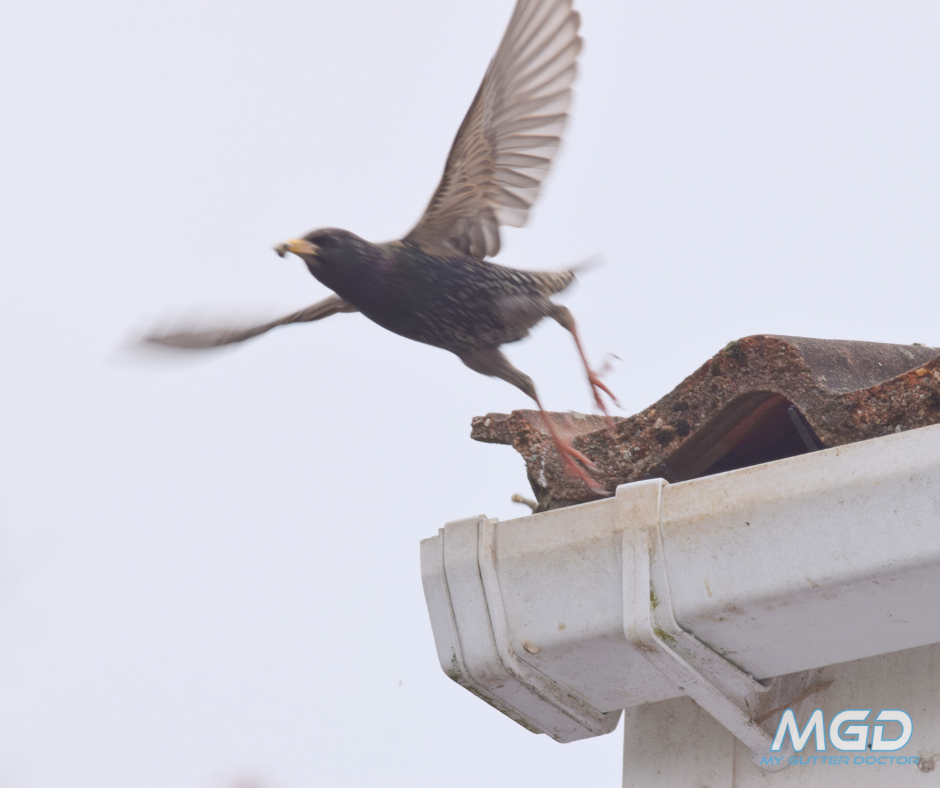
How to Prevent Birds from Returning to Your Gutters
Once birds have nested in your gutters, there’s a good chance they’ll return. Preventing this requires eliminating access and reducing what attracts them in the first place.
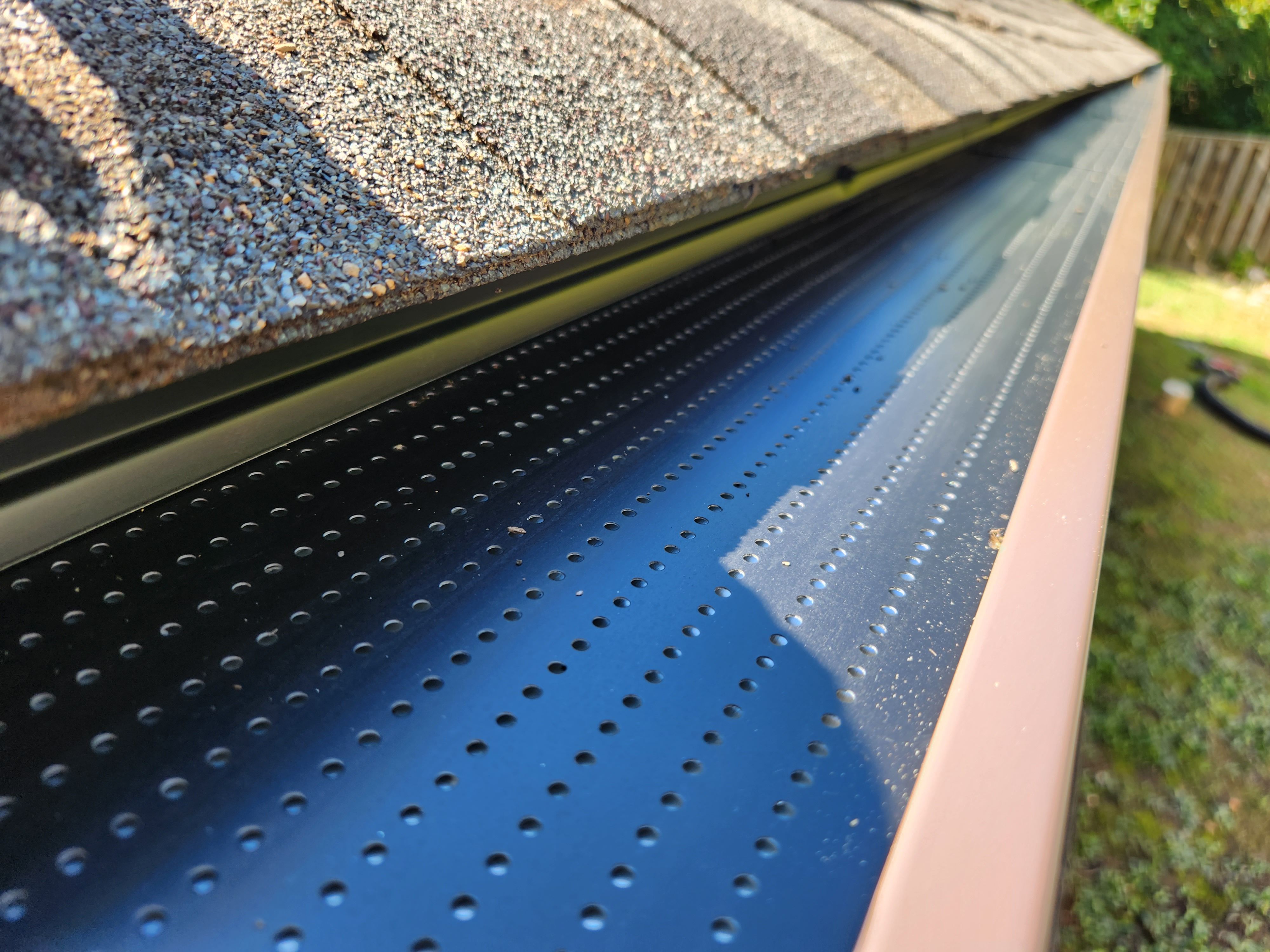
• Gutter Guards (Most Effective Long-Term Solution)
Properly installed gutter guards that leave no gaps are the most effective way to keep birds out. When installed correctly, they eliminate access entirely.
For homeowners in our service area, this is the primary solution we offer and recommend when birds returning to the same gutters every year becomes problematic.
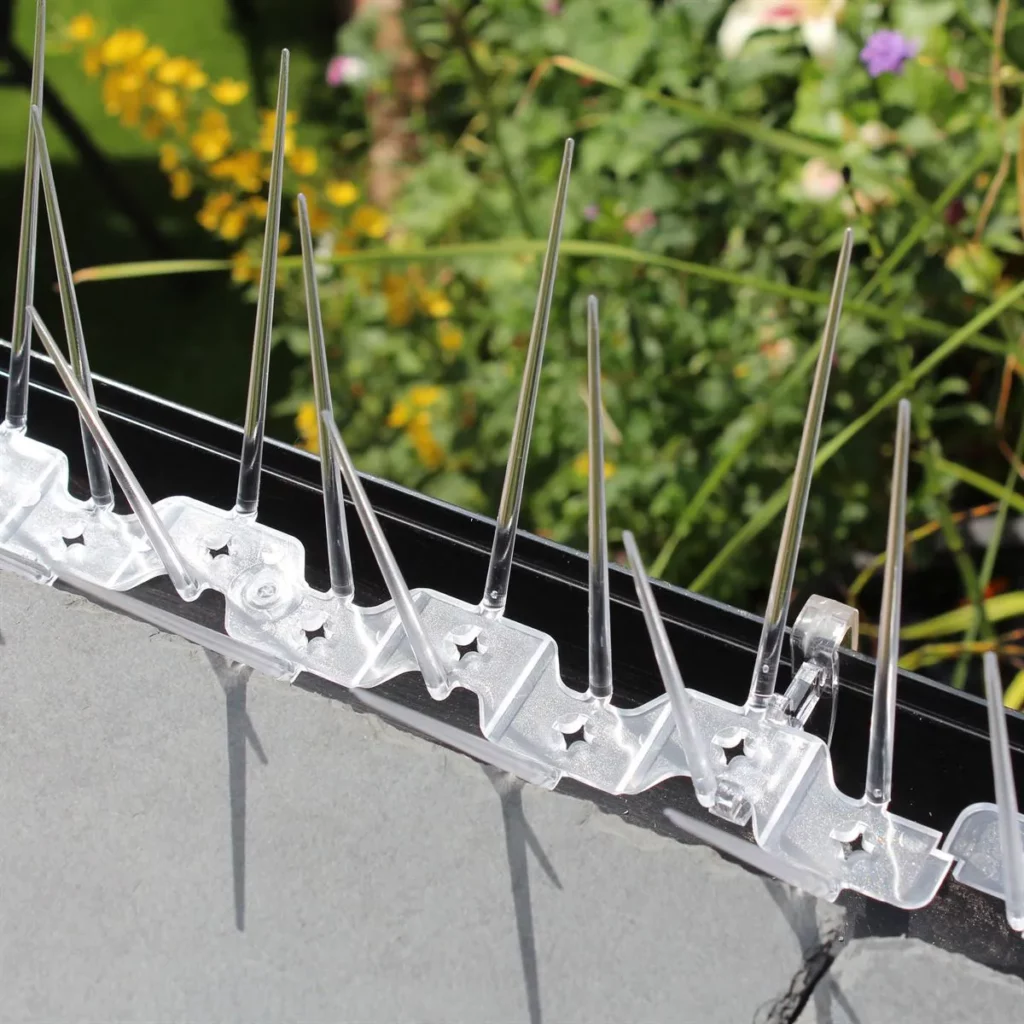
• Bird Spikes (Moderately Effective)
Help prevent landing but don’t fully protect gutters.
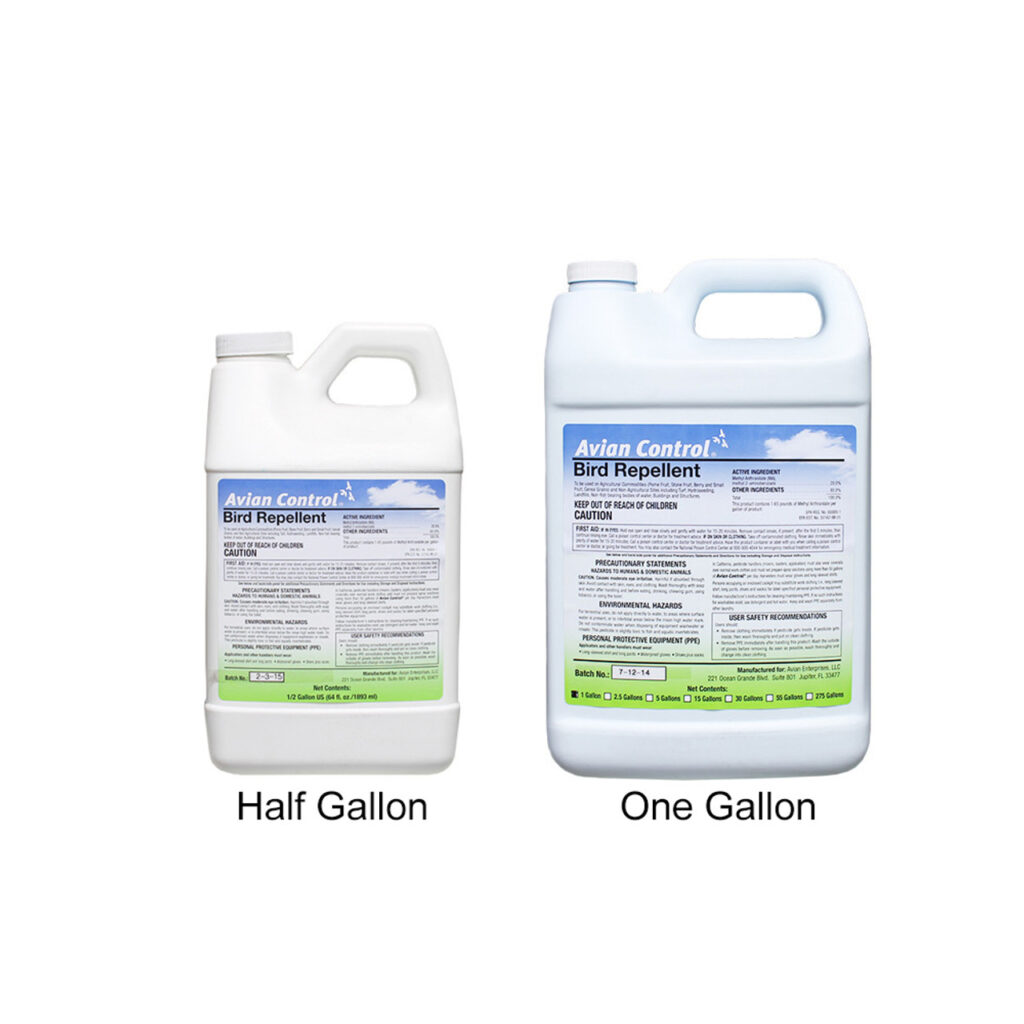
• Bird Repellents (Short-Term Solution)
Temporary and require maintenance.
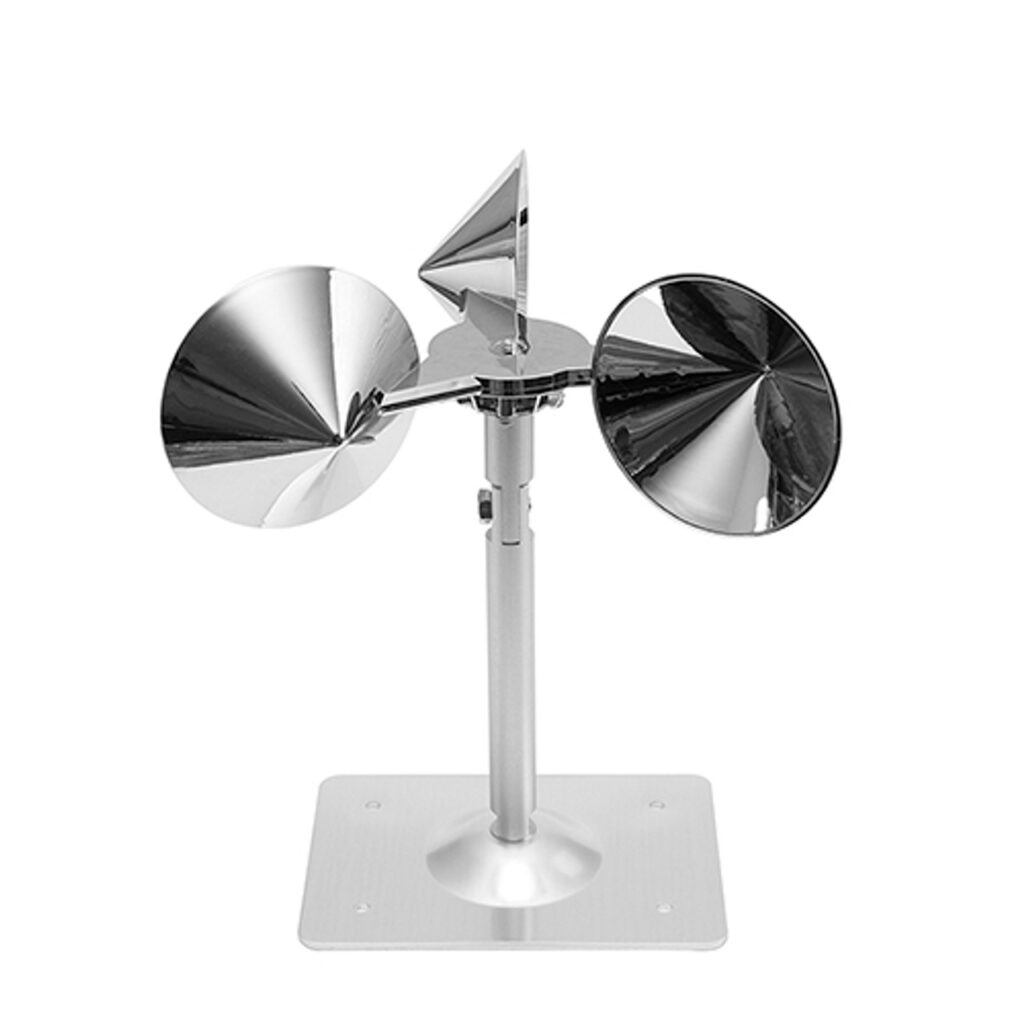
• Decoys & Visual Deterrents (Least Reliable)
Birds adapt quickly—best used as supplemental methods.
• Maintain a Proper Gutter Cleaning Schedule
Clean gutters remove nesting materials and reduce attraction.
Finding Help for Bird Prevention
Not all gutter companies offer bird deterrent services beyond gutter guards. If you’re looking for help with spikes, sealing gaps, or installing deterrents, many homeowners turn to local handymen or pest control professionals for these types of services.
Conclusion
Birds nesting in gutters is a common seasonal issue, but it can quickly lead to clogged gutters, water damage, and pest problems if ignored.
The key to solving it long-term is addressing what attracts birds in the first place. While temporary solutions can help, preventing access—combined with proper maintenance—is the most effective way to keep gutters clear.
If you’re dealing with recurring nesting issues, taking action now can help prevent more costly problems down the road.
SEE WHAT OTHER EXPERTS ARE SAYING ABOUT BIRDS NEST IN GUTTERS:
How To Get Rid Of Birds Nesting In Gutters by The Clever Homeowner
How To Discourage Birds From Nesting In Your Gutters by Genesis Roofing
The Problems Birds Can Cause With Gutters by Gutter Helmet
RELATED ARTICLES BY MY GUTTER DOCTOR
Why Is Gutter Cleaning Important by My Gutter Doctor
Does Leaf Filter Work by My Gutter Doctor
7 Signs Of Improper Gutter Slope by My Gutter Doctor
What Way Should Splash Blocks Face? by My Gutter Doctor
MY GUTTER DOCTOR
93 MONOCACY BLVD. A-6
FREDERICK, MD 21701
240-820-3209