
Snow VS Gutters : Are Your Gutters Prepared For Winter?
January 26, 2026
Choosing The Best Gutter Guards For Snow & Winter Weather
February 9, 2026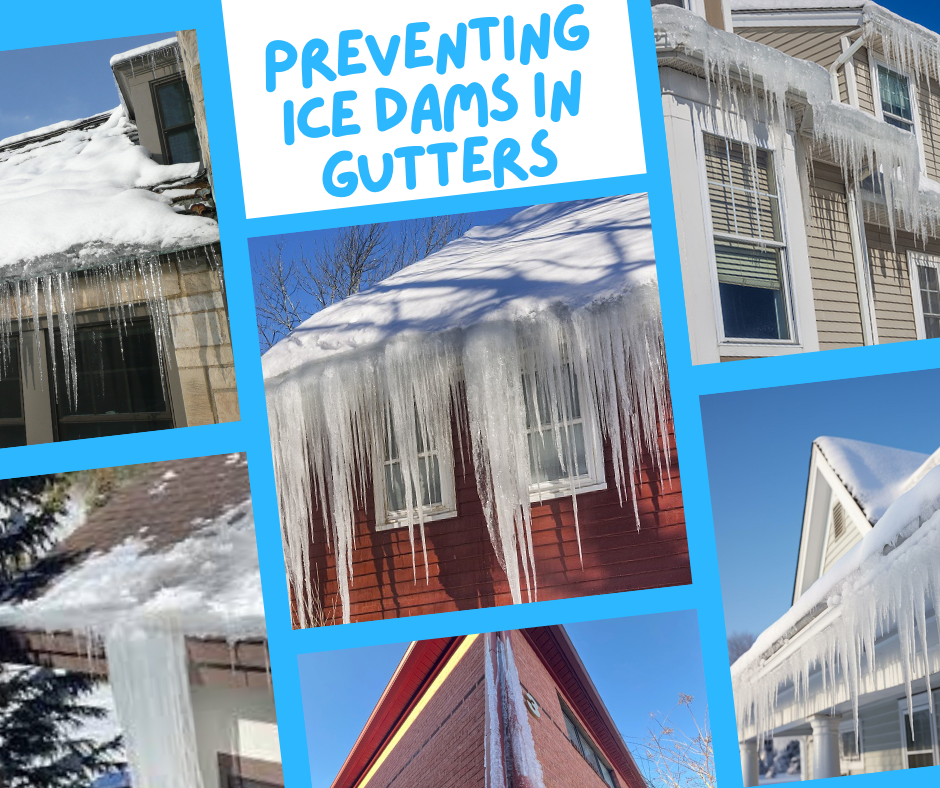
PREVENTING ICE DAMS IN GUTTERS
A very common misconception regarding ice dams and gutters is that ice dams are caused by clogged or damaged gutter systems. However, in most cases, the gutters themselves aren’t the actual source of the problem. Ice dams are typically caused by melting roof snow that refreezes when it reaches the eaves of the roof and the gutters. To be better informed on how to prevent ice dams along gutters, homeowners should first understand what ice dams are and what causes them to form.
What Is an Ice Dam?
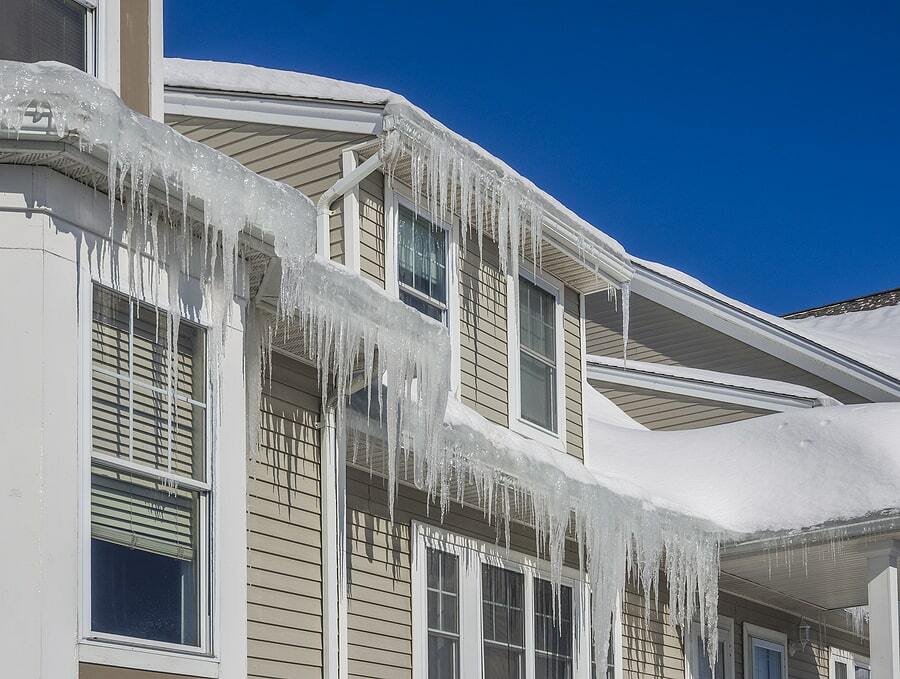
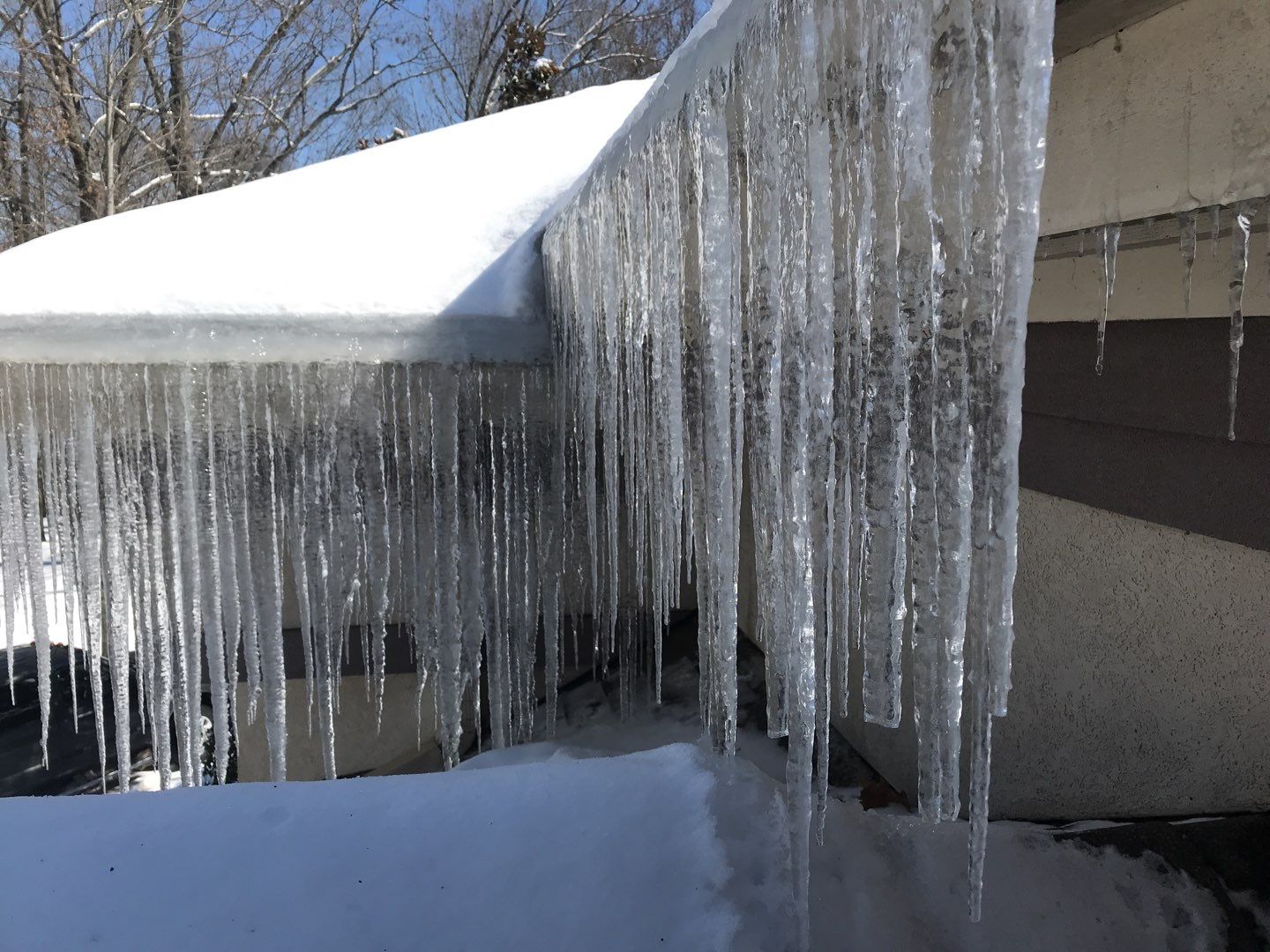
Ice dams are exactly what they sound like, a dam of ice that forms along the edge of the roof. As snow on top of the roof melts, it turns into water that trickles downward toward the eave of the roof where the gutters are mounted. Once the water reaches the colder edge of the roof, it refreezes and gradually forms an ice barrier that traps additional water as the snow melts. Over time, this ice blocks proper water drainage, which can force moisture under the shingles or even into the home.
Because ice dams are the result of melting snow refreezing into ice, they are closely tied to how heat escapes from the roof. In the next section, we’ll break down the most common causes of ice dams and why they occur so frequently during winter.
Causes of Ice Dams in Gutters
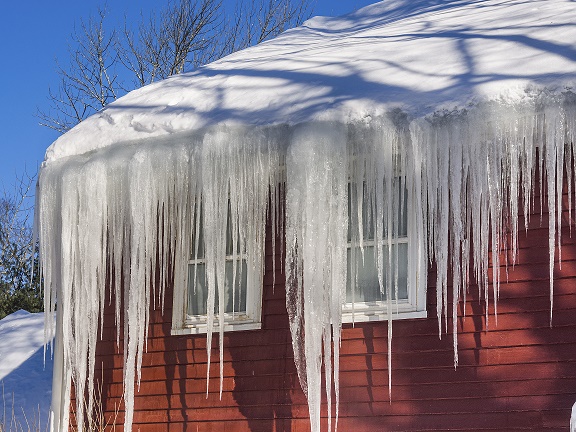
Issues with the gutter system can contribute to ice buildup or types of ice accumulations, but in most cases, they are not the root cause of ice dams. In fact, ice dams can still occur along gutters even when the gutters are clear of clogs, functioning properly, or even brand new.
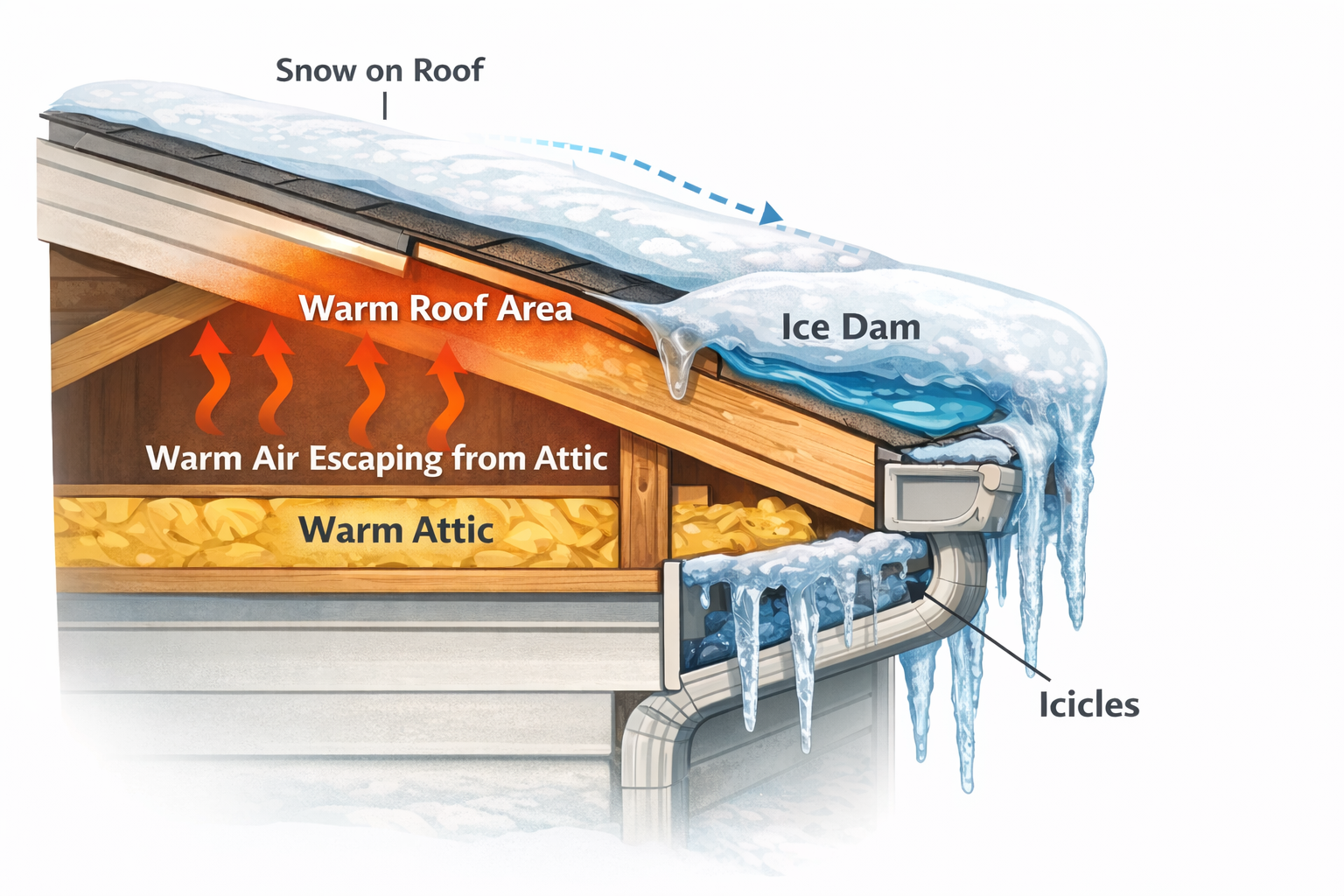
For ice dams to form, certain conditions must be present. There needs to be snow on the roof, outdoor temperatures must be below-freezing, and there must be an area of the roof that remains above-freezing. This above-freezing section, usually higher on the roof, causes snow to melt. The melted water then travels downward and refreezes when it reaches colder temperatures near the roof edge.
Heat Loss from the Roof or Attic
The most common cause of ice dams is heat loss from the roof or attic. Warm air escaping into the attic heats the roof surface, causing snow to melt and then refreeze as it reaches colder areas near the eaves.
Improper Attic Insulation
Attic insulation plays a key role in keeping warm air inside the home. Insufficient or uneven insulation allows warm air to escape unevenly, creating warm spots on the roof that accelerate snowmelt.
Non-Consistent Roof Temperatures
Proper ventilation helps keep attic and roof temperatures consistent. When ventilation is inadequate, warm air can become trapped, raising roof temperatures in certain areas and increasing the likelihood of ice dam formation.
Rapid Freeze/Thaw Cycles
Extreme fluctuations in winter temperatures can also contribute to ice dams, especially when combined with roof heat loss. Snow that melts during warmer periods can refreeze quickly as temperatures drop, allowing ice to accumulate along the eaves.
Issues With Gutter Systems
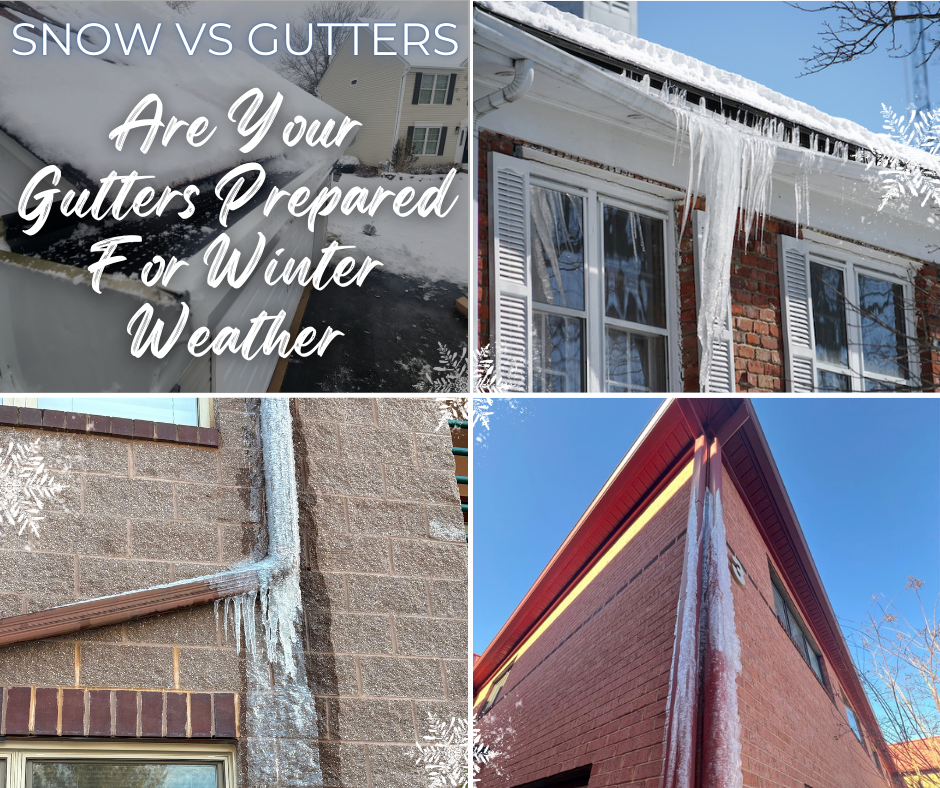
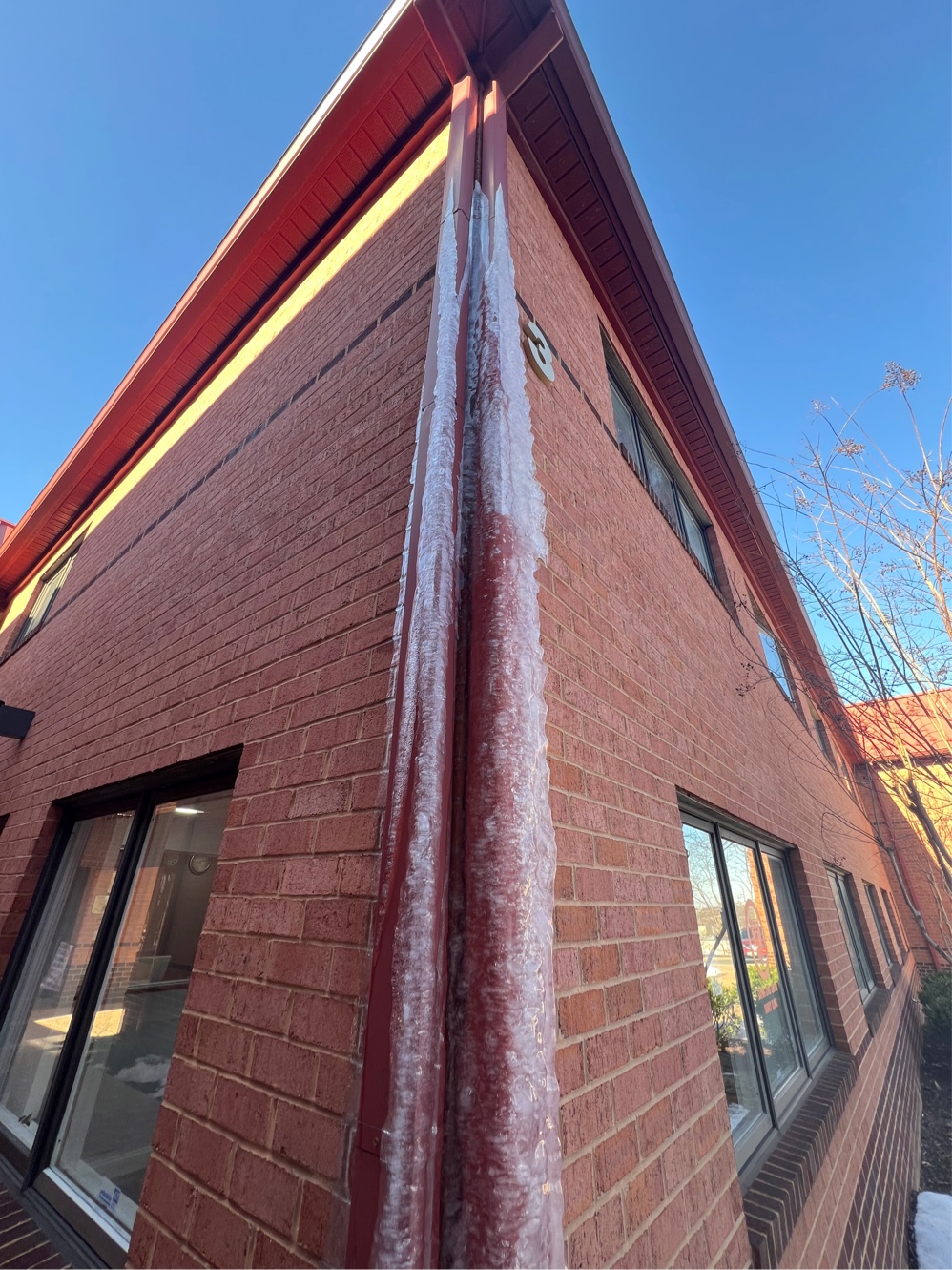
Gutter related problems do not typically cause ice dams, but they can worsen ice buildup and contribute to other forms of winter damage. When gutters are clogged with debris, sag, or are installed with improper slope or pitch, melting snow and ice cannot drain properly.
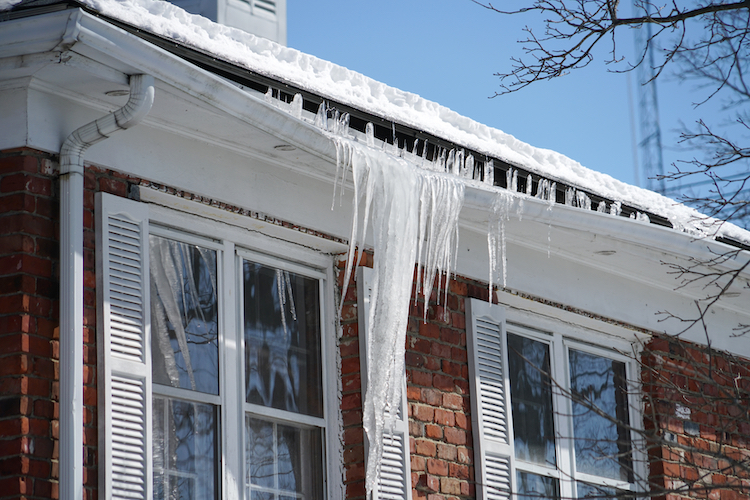
This trapped water can freeze inside the gutters, leading to icicles, frozen downspouts, and heavy ice accumulations that add stress to the gutter system and roof edge. While these conditions are different from true ice dams, they can still result in gutter damage, fascia issues, and safety hazards around the home.
Steps Toward Preventing Ice Dams
Preventing ice dams starts with controlling roof temperatures and reducing the conditions that allow snow to melt and refreeze along the roof edge. While gutters play a supporting role, the most effective solutions focus on insulation, ventilation, and heat management at the roof and attic level.
Proper Attic Insulation and Ventilation
Proper attic insulation helps keep warm air inside the home where it belongs. Upgrading insulation and ensuring even coverage throughout the attic can significantly reduce roof heat that contributes to ice dam formation. Balanced intake and exhaust ventilation also help prevent hot spots on the roof.
Remove Snow From The Roof
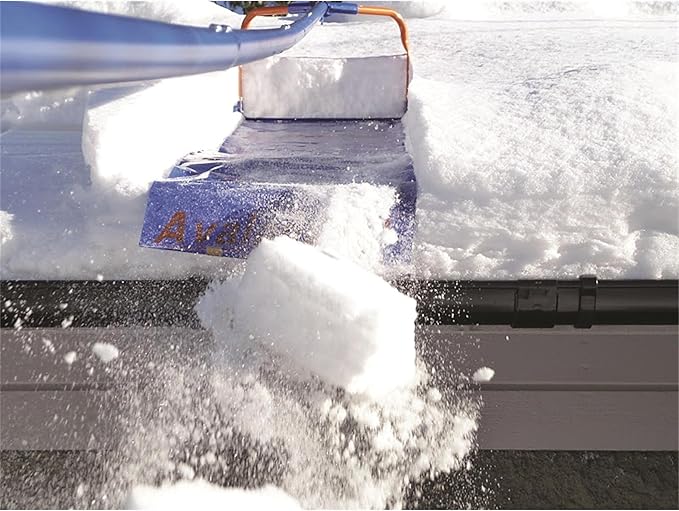
Removing excess snow from the roof after heavy snowfall can help limit the amount of melting water available to refreeze. Using a roof rake from the ground can reduce ice dam risk, especially along the lower sections of the roof near the eaves.
Proper Gutter Maintenance
Although gutters do not typically cause ice dams, proper gutter maintenance supports overall winter drainage. Keeping gutters clear, properly sloped, and securely fastened allows melting snow and ice to drain when it matters most. This helps reduce frozen gutters, icicles, and excess ice weight that can worsen winter damage around the roof edge.
Cable-Heated Gutter Systems
In colder climates, such as northern U.S. states and Canada, cable heated gutter systems are sometimes used to help manage winter ice buildup. These systems use electrically heated cables installed along roof edges, inside gutters, and through downspouts to help keep water flowing during freezing conditions.
Cable heated systems do not stop ice dams from forming on the roof, but they can help reduce ice accumulation in gutters and downspouts by creating a clear drainage path. This can limit large icicles, frozen downspouts, and heavy ice buildup that adds stress to the gutter system.
Conclusion
Although ice dams are commonly seen near gutters, they are rarely caused by gutter problems alone. Ice buildup typically results from roof heat loss and rapid freeze/thaw cycles that allow snow to melt and refreeze along the roof edge. Taking a whole system approach that includes insulation, ventilation, and proper gutter maintenance is the most effective way to prevent ice dams and protect your home from winter-related damage.
My Gutter Doctor
93 Monocacy Blvd. A-6
Frederick, MD 21701
240-820-3209
RELATED PAGES ON OUR WEBSITE
Snow VS Gutters : Are Your Gutters Prepared For Snow? – by My Gutter Doctor
Choosing The Best Gutter Guards For Snow & Winter Weather – by My Gutter Doctor
Double-Pro Continuous Hanger Gutter Systems